

April saw the curtain come down on one of the most remarkable resources available in business and management research. The Harzing Journal Quality List (https://harzing.com/blog/2026/04/72nd-edition-of-the-journal-quality-list-online) has been meticulously researched and updated an incredible 72 times over the 26 years of its existence, providing a reliable snapshot to academics and publishers alike how ranked journals compared across disciplines from different journal lists published round the world.
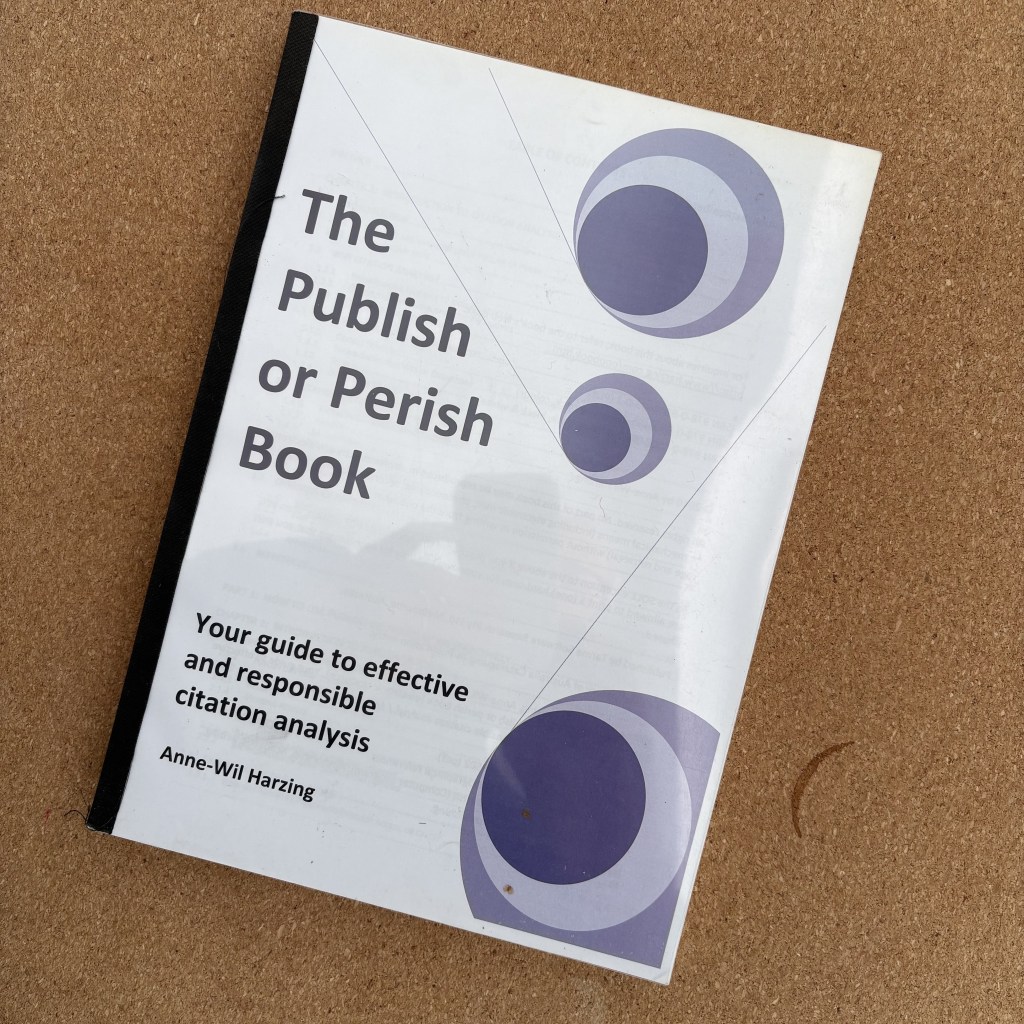
The brainchild of Prof Anne-Wil Harzing – an eminent academic in human resources research – I first became aware of her list in the early 2000s as a publisher managing journals across accounting, finance and economics disciplines. The Harzing List (as myself and colleagues always referred to it) was indispensable for compiling reports, creating journal development plans and benchmarking performance against competitors. It also spawned other essential resources, most notably the Publish or Perish frontend software that enables analysis of Google Scholar data on authors and journals (https://harzing.com/resources/publish-or-perish).

Personal touch
I have been lucky enough to get to know Anne-Wil over the years, and while she must be sad to stop working on her project, I am sure the scale and effort required on a regular basis will not be something she will miss too much. The list, the software product and the numerous guides and advice she has shared over the years have helped countless young academics find their way through the ever-multiplying journals and resources that crowd the publishing landscape. Thankfully, she seems to be still active on LinkedIn and is well worth a follow (https://www.linkedin.com/in/anne-wil-harzing/).
The final update of the Harzing List does at least offer an opportunity to review the last quarter of a century or so of journal resources to see how things have changed in that time. The internet was still a new and vibrant phenomenon, offering potential and excitement to those who used it – though not without trepidation, as the (unfounded) fears of the so-called Millennium Bug showed in late 1999. For business and management journals, both Web of Science and Cabells were the only global sources of data on publications and had been established for 20 years or more.
Born online
Of course, the new century dawned without major hiccups, but not without major upheavals in the first few years, as databases moved online, open access became a major movement and Scopus entered the journal metrics fray. Through this, Harzing tracked all the key data points for both international and national lists, which had started to be used outside of their own countries. These included lists from business schools such as Aston and Durham in the UK, as well as a host of acronyms from different nations: ABDC (Australia), FNEGE (France), VHB (Germany), ABC (now CABS – UK) and DEN (Denmark).
In an age of mass AI adoption, ballooning research integrity issues and increased misinformation online, it is clear the Harzing List and the data that it collated has been so successful for so long due to one thing: trust. Trust in Anne-Wil and her expertise and judgement; trust in the original data points that made up the Harzing List in aggregation; and trust in the veracity of how the list was presented to the business and management research community as a support service that enabled good decision-making.