
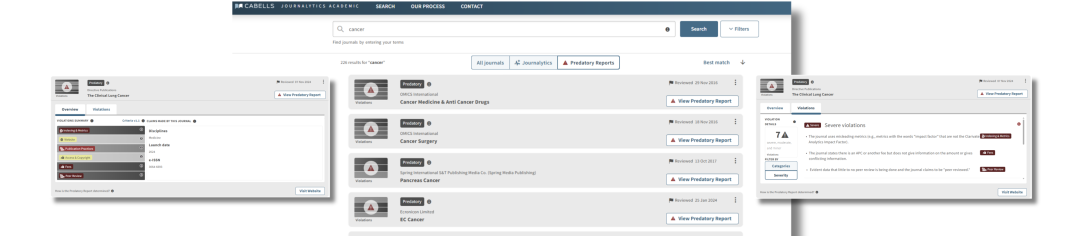
Incredibly, it has been over five years since we started The Source, our regular offering of insight and intel on the worlds of research integrity and academic publishing. But do the original posts still hold up? We thought it would be interesting to look back at one of our first posts in The Source to … Continue reading Five-Point Plan

Trust is Index-linked
The first indexes were found in books as early as the 16th Century, and the word itself comes from the Latin for ‘one who points out’ or an ‘indication’ - literally using the forefinger to draw attention to something. Inherent in this is the understanding that what is being pointed out is factual, whether it … Continue reading Trust is Index-linked

Illusions of Grandeur
Canada has been in the headlines of late, and from a brand perspective, for all the right reasons. The world’s second biggest country has been the focus for much of the world's news following a huge swing in its general elections and for standing up to substantial rhetoric from the US President. Never has it … Continue reading Illusions of Grandeur

When Oxbridge Doesn’t Mean Oxbridge
For well over a century, the term ‘Oxbridge’ has been a useful abbreviation to indicate the two most prestigious universities in the UK. It has stood for the highest caliber of research, the brightest minds and absolute academic freedom. To be associated with Oxbridge is to have links with the very best that higher education … Continue reading When Oxbridge Doesn’t Mean Oxbridge

A Discussion with Professor Graham Kendall: Predatory Publishers, Ethics in Publishing, and More
In September 2024, Graham Kendall caused something of a stir when he ‘outed’ himself as the person behind @fake_journals, the popular Twitter/X account highlighting the problems caused by predatory journals. Cabells’ Simon Linacre – a research collaborator with Professor Kendall – asks him about his background and focus on publishing ethics, including why he chose … Continue reading A Discussion with Professor Graham Kendall: Predatory Publishers, Ethics in Publishing, and More
Understanding Predatory Journals: Spreading Misinformation and Disinformation
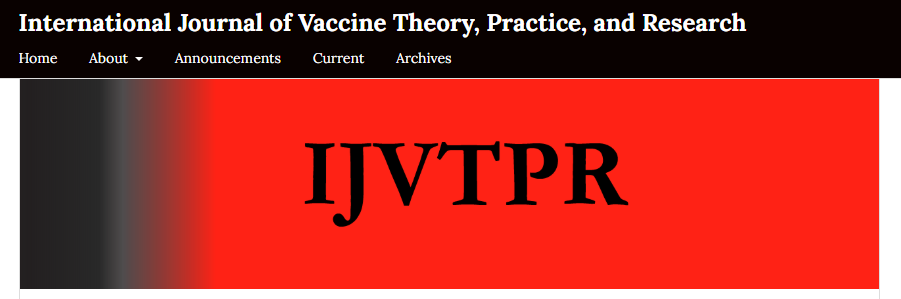
Since November of last year, our team has been contacted by the national public broadcasting networks of both Japan and Germany to provide information related to our work investigating and reporting on predatory journals. In both cases, the journalists were asking specifically about publications focused primarily not on generating profits, but rather on spreading misinformation … Continue reading Understanding Predatory Journals: Spreading Misinformation and Disinformation

Predatory Conferences: A Lesser-known (But No Less Dangerous) Predatory Publishing Scam
Predatory journals are becoming more widely known and prevalent in conversations about academic research. As academia’s understanding of predatory publishing practices expands, however, many malicious con-artists have turned their attention toward a lesser known scam: predatory medical conferences. Predatory vs. Legitimate Medical Conferences Medical conferences are often crucial for researchers’ careers, from fresh postgraduates to recognizable … Continue reading Predatory Conferences: A Lesser-known (But No Less Dangerous) Predatory Publishing Scam
Unmasking a Predator: predatoryreports.org
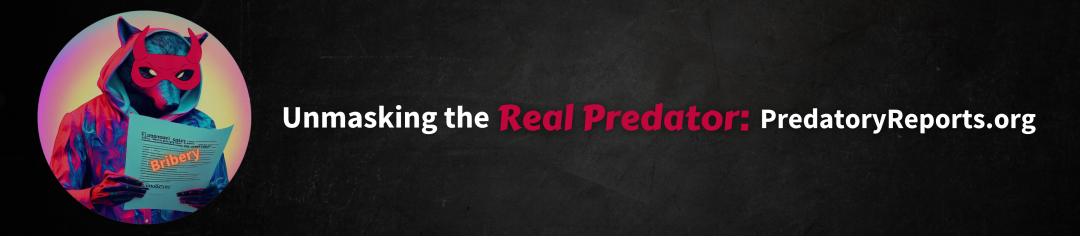
For some time now, Cabells has been aware of an organization, with no affiliation to Cabells whatsoever, operating under the name Predatory Reports and using the website domain “predatoryreports.org” – a clear infringement and brazen attempt to capitalize on our reputation and long-standing commitment to the research community. Despite the unethical and injurious hijacking of … Continue reading Unmasking a Predator: predatoryreports.org

Predatory Editing: A New Face of Predatory Publishing
In the ever-evolving conversation about predatory publishers, journals, and conferences, here’s a term you may not have heard yet: predatory editing. Predatory editing is a rarely discussed but rapidly spreading exploitative academic publishing practice. In parallel with the 2019 Nature consensus definition for predatory publishing, editorial agencies are generally considered predatory if they “prioritize self-interest at the expense … Continue reading Predatory Editing: A New Face of Predatory Publishing

How Predatory Journal Citations Affect Legitimate Medical Publications and the Phenomenon of Citation Contamination
As predatory publishing has become increasingly common throughout the medical publication landscape, knowledge about these practices have increased in turn. Though a majority of researchers are now aware of the threat that predatory publishers pose, this education typically focuses on how researchers can avoid publishing their own research in predatory journals. There’s another threat from … Continue reading How Predatory Journal Citations Affect Legitimate Medical Publications and the Phenomenon of Citation Contamination