
As any academic researcher will tell you, one of the banes of their professional existence is the constant, annoying stream of solicitations they receive by email purporting to praise their research and prior output before soliciting their next article submission from them. Sometimes these emails are so obvious they can be deleted; sometimes they are … Continue reading Where predators lurk

Fake it ‘til you make it
Criticisms of universities and their lack of formal training of PhD students are nothing new – 20 years ago, I personally heard this many times while giving talks on publishing at some of the top research universities in the UK, Australia and Western Europe. At the time it seemed shocking, but not surprising. Very little information seemed to shared by universities … Continue reading Fake it ‘til you make it

When imitation isn’t sincere – or flattery
Photo by Bermix Studio on Unsplash Anyone who has published an academic article will recognize the feeling of despair when receiving an email like the one below – clashing color schemes, weird formatting and multiple typos all point to the same conclusion – some predatory publisher is trying for the sixth time this week to entice me … Continue reading When imitation isn’t sincere – or flattery

School’s out for Summer*
Photo by Element5 Digital on Unsplash The first half of 2026 has offered no shortage of reminders that scholarly publishing is changing rapidly - and not always comfortably for those of us in scholarly communications. Reviewing the Cabells blog so far this year, one theme has come through again and again: researchers, librarians, publishers and institutions rrequire improved evidence, habits and tools if they are to navigate a … Continue reading School’s out for Summer*
Blurred lines
Science through time has always represented truth. Logical truth, verifiable truth, empirical truth – whatever the scientific method employed the single goal has been to find out whether something was true or false. Most of the time this might not be anything very exciting or innovative, but from the high school lab to cutting edge R&D, the pursuit of science seemed pretty clear cut. The reporting … Continue reading Blurred lines
Reviewing the literature on predatory publishing
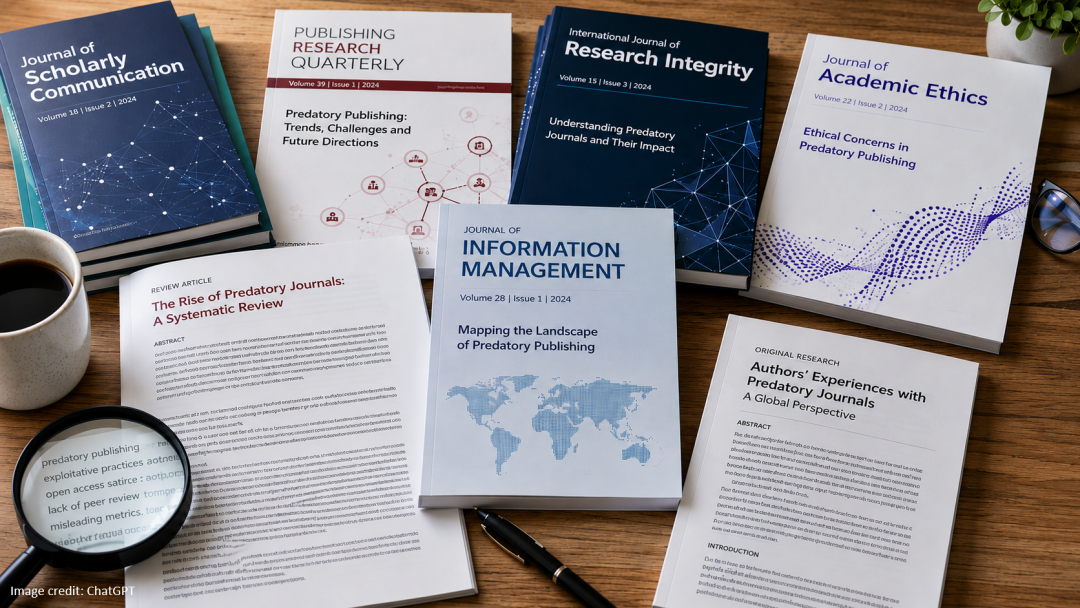
The simplest way to learn about predatory journals and their tricks of the trade is to look at the burgeoning number of articles on the topic. Since 2020, there have been over 2,000 research articles published that mention ‘predatory publishing,' with the rate increasing over time. Indeed, as you can see from the graph below, aside from the spike in … Continue reading Reviewing the literature on predatory publishing
Accusations frozen in time: How Beall’s List still hurts publishers in 2026
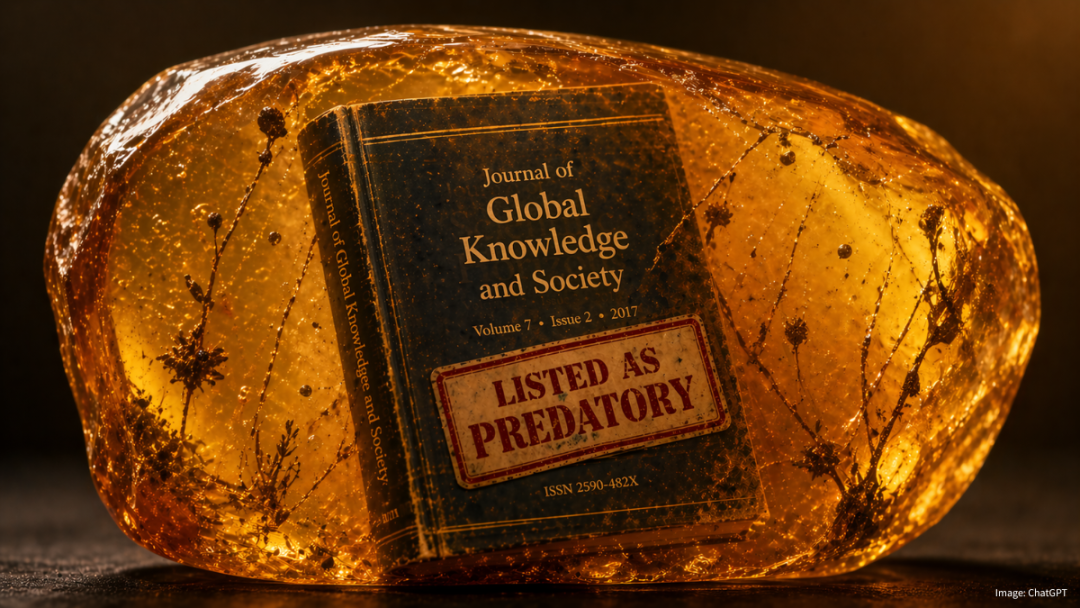
A little-examined consequence of the predatory publishing phenomenon is the damage done to legitimate publishers that got swept up in it – not because they were truly predatory, but because they were listed alongside journals that were. Beall’s List, the well-intentioned and perhaps the most famous predatory publisher and journal list, has long been shuttered. … Continue reading Accusations frozen in time: How Beall’s List still hurts publishers in 2026

Hijack!
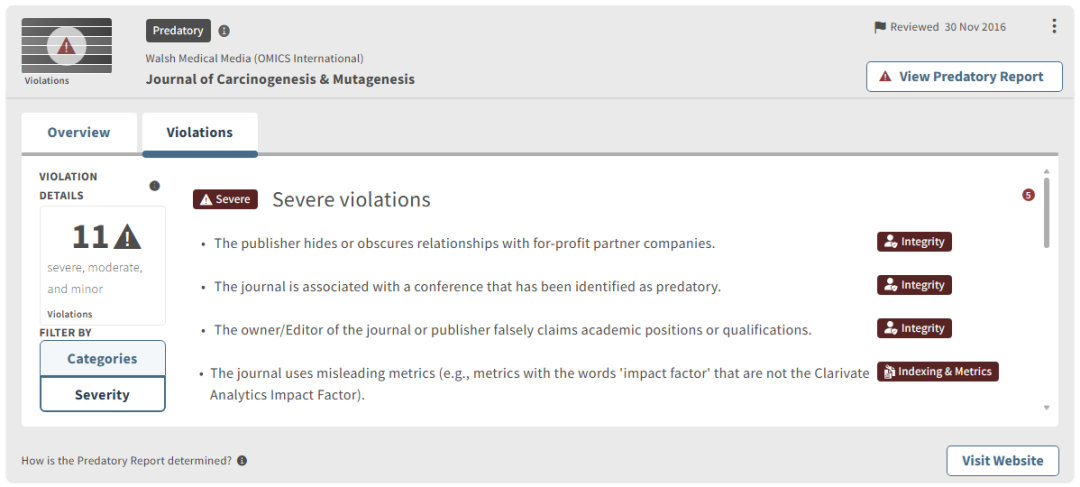
A question Cabells is often asked about the coverage of journals in its database products is, ‘How do you find out about them?’ This is not an easy question to answer, as there are so many reasons for a journal to come to our attention, for good or bad – editor recommendation, new launch, author … Continue reading Hijack!
Look before you leap
Einstein defined madness as doing the same thing again and again while expecting a different result. Current world events may lend support to this particular theory, but it is certainly not a new phenomenon. Indeed, one of the wisest lessons for authors is more than 2,500 years old. Aesop was believed to have been a … Continue reading Look before you leap

Predatory journals: The view from Brazil
Global academic publishing can often be reminiscent of the tale of the black swan. In England in the 17th century, a ‘black swan’ was a metaphor for a rare or impossible event, that was until 1697 when Dutch explorers found black swans happily swimming around in what is now called Western Australia. The shock of … Continue reading Predatory journals: The view from Brazil