

Recently, while conducting investigations of suspected predatory journals, our team came across a lively candidate. At first, as is often the case, the journal in question seemed to look the part of a legitimate publication. However, after taking a closer look and reading through one of the journal's articles (“Structural and functional brain differences in … Continue reading They’re not doctors, but they play them on TV

Cabells’ top 7 palpable points about predatory publishing practices
In his latest post, Simon Linacre looks at some new stats collated from the Cabells Predatory Reports database that should help inform and educate researchers, better equipping them to evade the clutches of predatory journals. In recent weeks Cabells has been delighted to work with both The Economist and Nature Index to highlight some of … Continue reading Cabells’ top 7 palpable points about predatory publishing practices

Reversal of fortune
One of the most common questions Cabells is asked about its Predatory Reports database of journals is whether it has ever “changed its mind” about listing a journal. As Simon Linacre reports, it is less a question of changing the outcome of a decision, but more of a leopard changing its spots. This week saw … Continue reading Reversal of fortune

Announcement regarding brand-wide language changes, effective immediately
Since late last year, Cabells has been working on developing new branding for our products that better embody our ideals of integrity and equality in academic publishing and society as a whole. We set out to ensure that the changes represent a total departure from the symbolism inextricably tied to the idea of blacklists and … Continue reading Announcement regarding brand-wide language changes, effective immediately
No time for rest
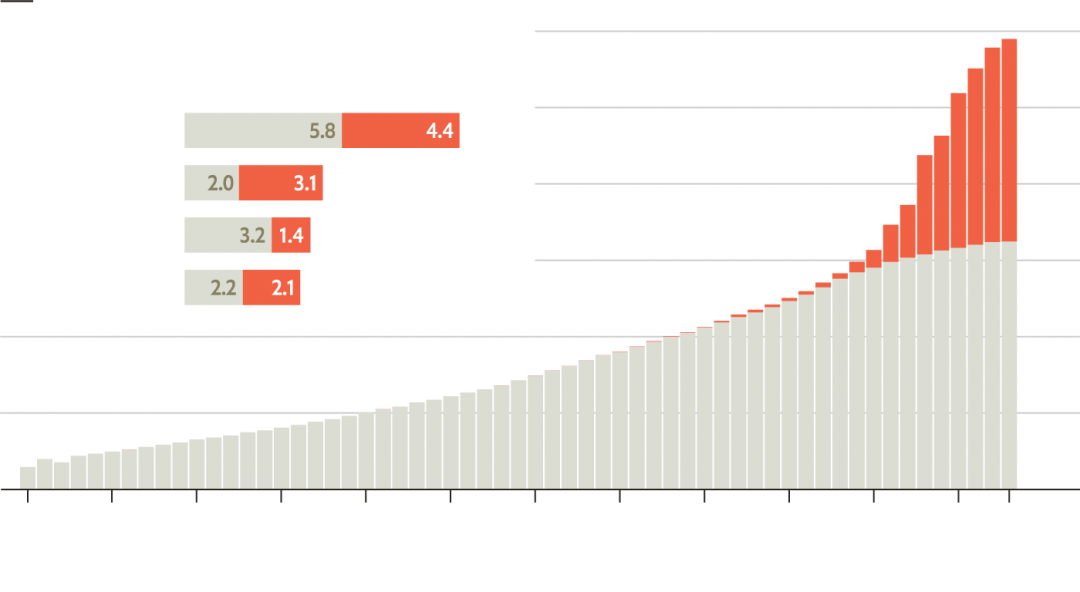
This week The Economist published an article on predatory publishing following collaboration with Cabells. Simon Linacre looks into the findings and points to how a focus on education can avert a disaster for Covid-19 and other important research. One of the consequences of the all-consuming global interest in the coronavirus pandemic is that it has … Continue reading No time for rest

Gray area
While Cabells spends much of its time assessing journals for inclusion in its Verified or Predatory lists, probably the greater number of titles reside outside the parameters of those two containers. In his latest blog, Simon Linacre opens up a discussion on what might be termed ‘gray journals’ and what their profiles could look like. … Continue reading Gray area

Bad medicine
Recent studies have shown that academics can have a hard time identifying some predatory journals, especially if they come from high-income countries or medical faculties. Simon Linacre argues that this is not surprising given they are often the primary target of predatory publishers, but a forthcoming product from Cabells could help them. A quick search … Continue reading Bad medicine

The price of predatory publishing
What is the black market in predatory publishing worth each year? No satisfactory estimate has yet been produced, so Simon Linacre has decided to grab the back of an envelope and an old biro to try to make an educated guess. Firstly, all of us at Cabells would like to wish everyone well during this … Continue reading The price of predatory publishing

The future of research evaluation
Following last week’s guest post from Rick Anderson on the risks of predatory journals, we turn our attention this week to legitimate journals and the wider issue of evaluating scholars based on their publications. With this in mind, Simon Linacre recommends a broad-based approach with the goal of such activities permanently front and center. This … Continue reading The future of research evaluation

Predatory publishing from A to Z
During 2019, Cabells published on its Twitter feed (@CabellsPublish) at least one of its 70+ criteria for including a journal on the Cabells Journal Blacklist, generating great interest among its followers. For 2020, Simon Linacre highlights a new initiative below where Cabells will publish its A-Z of predatory publishing each week to help authors identify … Continue reading Predatory publishing from A to Z