
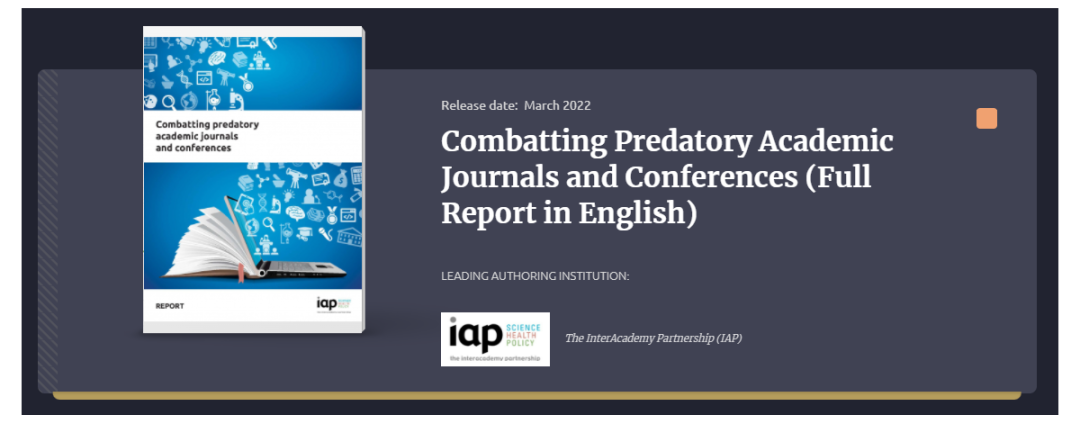
New IAP report is the culmination of a two-year study on recognizing and fighting predatory academic practices.

Academic Sleuthing
With plenty of advice and guidance on the internet on how to identify and avoid predatory journals, many argue the game is up. However, while so many authors and journals slip through the net, numerous skills are required to avoid the pitfalls, not the least of which is, as one case study shows, being an amateur sleuth….

Mountain to climb
As the return to university beckons for many of us, we are unfortunately reminded that many of the challenges facing scholarly communications persist. Simon Linacre assesses wider issues impacting on publication ethics as Cabells’ Predatory Reports database hits the 15,000 journal mark.
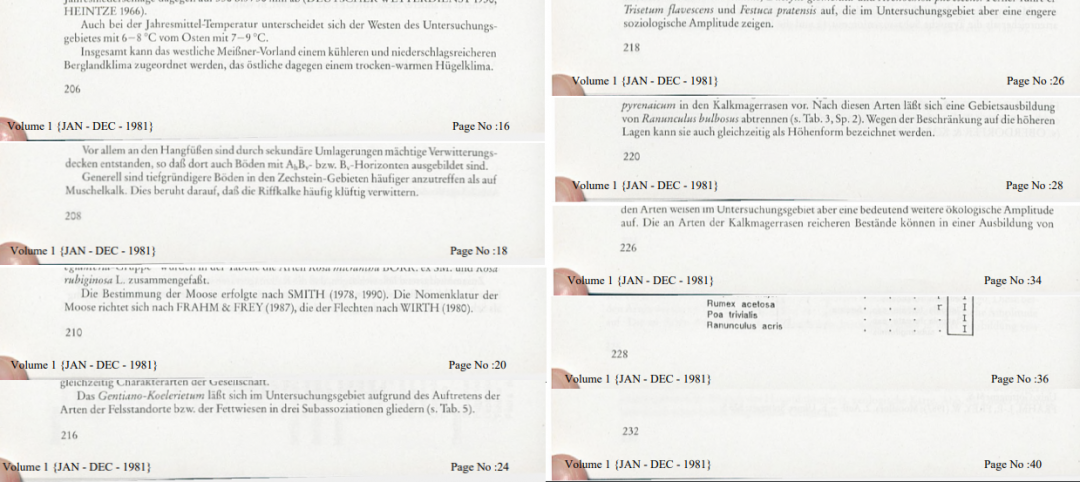
There was an attempt to hijack a journal…
As our journal investigation team members work their way around the expanding universe of scholarly publications, one of the more brazen and egregious predatory publishing scams they encounter is the hijacked, or cloned, journal.

What lies beneath
The first set of data from Cabells’ collaboration with Inera’s Edifix shows that nearly 300 article checks included references to predatory journals. Simon Linacre looks behind the data to share more details about ‘citation contamination.'
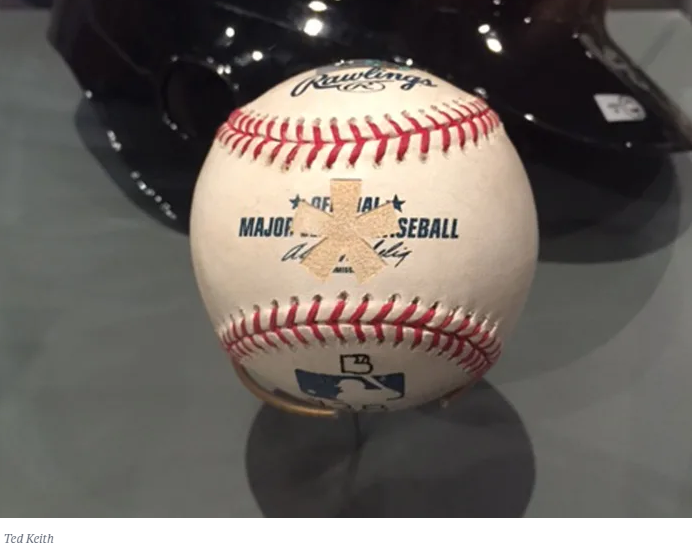
Rewriting the scholarly* record books
Are predatory journals to academic publishing what PEDs are to Major League Baseball?

Spotlight on Turkey
Turkey has been making great strides in recent years as a force to be reckoned with on the international research stage. However, it seems to have encountered more problems than other countries with regard to predatory journals. Simon Linacre looks at the problems facing the country and highlights some resources available to help Turkish scholars. … Continue reading Spotlight on Turkey

What to know about ISSNs
There are many ways to skin a cat, and many ways to infer a journal could be predatory. In his latest blog post, Simon Linacre looks at the role the International Standard Serial Number, or ISSN, can play in the production of predatory journals.

Guest Post: A look at citation activity of predatory marketing journals
This week we are pleased to feature a guest post from Dr. Salim Moussa, Assistant Professor of Marketing at ISEAH at the University of Gafsa in Tunisia. Dr Moussa has recently published some research on the impact predatory journals have had on the discipline of marketing and, together with Cabells’ Simon Linacre, has some cautionary words for his fellow researchers in that area.

Cabells and Inera present free webinar: Flagging Predatory Journals to Fight “Citation Contamination”
Cabells and Inera are excited to co-sponsor the free on-demand webinar "Flagging Predatory Journals to Fight 'Citation Contamination'" now available to stream via SSP OnDemand. Originally designed as a sponsored session for the 2020 SSP Annual Meeting, this webinar is presented by Kathleen Berryman of Cabells and Liz Blake of Inera, with assistance from Bruce … Continue reading Cabells and Inera present free webinar: Flagging Predatory Journals to Fight “Citation Contamination”