
I once attended a financial crime research conference and, at the gala dinner, found myself sitting next to the lead investigator in cybercrime from Nigeria. It was fascinating to hear some of the stories he had to share, including instances of tracking down the people who sent those seemingly now extinct emails purporting to be from some African prince who wanted to put $15 million in your account temporarily while they sorted some issues out.
I asked him, what was the point of these emails when they were so obviously fake? He replied that when you send out tens of millions of these emails, it just needs the tiniest percentage of people to respond with their account details to make them a small fortune every time.
This is the model behind those predatory journal solicitations we receive on a daily basis.
Deceptively easy
This is the first part in a series of blogs on solicitation emails that will help people spot the deception taking place, understand why it is happening, and determine how these emails differ from legitimate invitations to submit articles. As we will see later in the series, this is not always that easy.
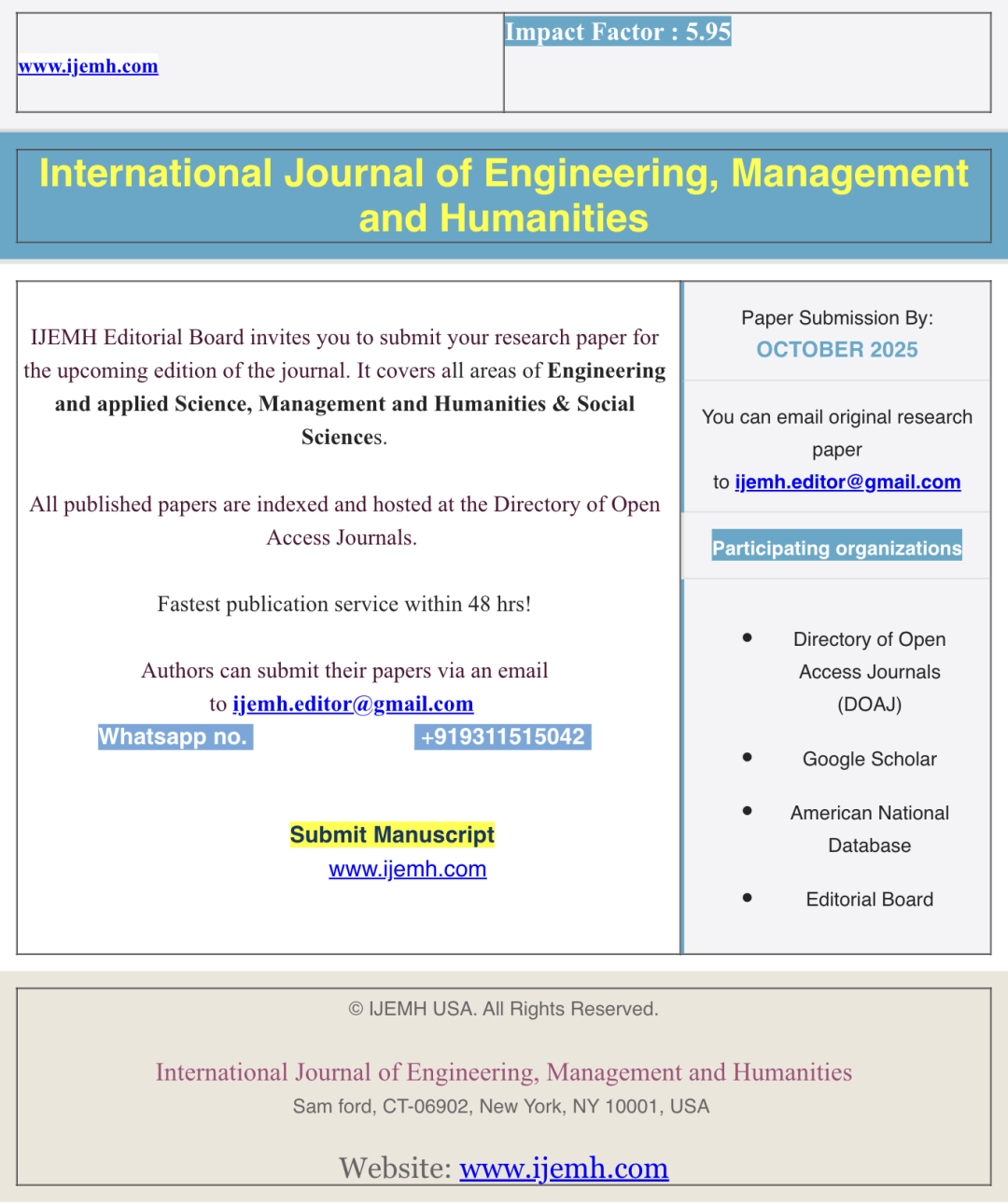
But let’s start with some of the clearest examples, and first here is an email I received personally just this week on 1st December, 2025:
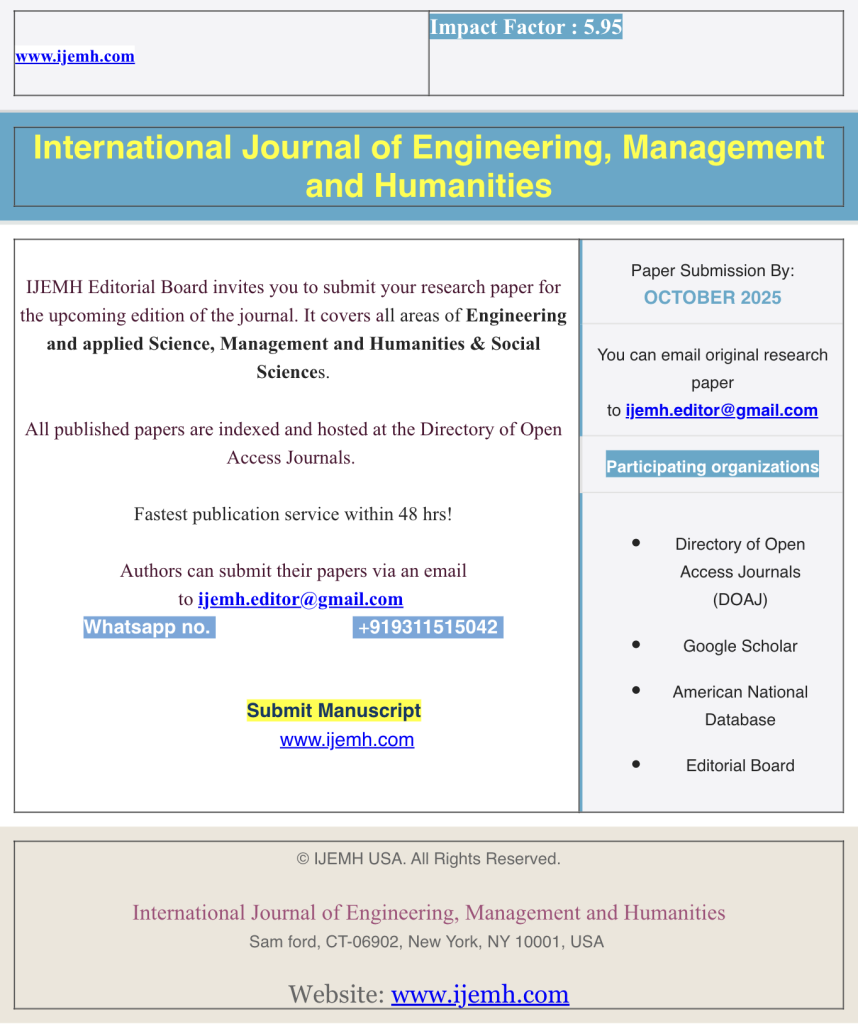
The first thing to notice is the design and color choice of the email template. This highlights the difference between an indicator and a clear deception – poor design choices are not exclusive to predatory publishers, but they are a very strong indicator along with spelling and grammatical errors. It is highly unlikely a legitimate publisher would let this out of their comms department, and for many people they would spot straight away this journal was not legit. Aside from the distasteful font colour, we have a solicitation for a special issue due in October 2025, poor wording in the text and a highlighted WhatsApp number – all clear tells that something is fishy.
Skin deep?
However, as researchers, we all have the skills and tools to dig further to make sure such a solicitation can be ignored, and what we can check with this journal is quite definitive. For example, it claims to have an Impact Factor of 5.95 and to be included in the Directory of Open Access Journals (DOAJ). It is quite easy to check if the journal is indeed indexed by Web of Science by checking its Master Journal List, as well as the full list of titles on DOAJ. This journal, to no one’s surprise, appears in neither.
There are also further problems, such as the address listed for the publisher at the bottom of the email, which has two zip codes for Stamford (not “Sam ford”), Connecticut, and New York. The Stamford zip code listed covers pretty much the whole town, whereas the New York zip code is for the Chelsea section of Manhattan. It is safe to say that this particular publisher is not based in either of those locations.
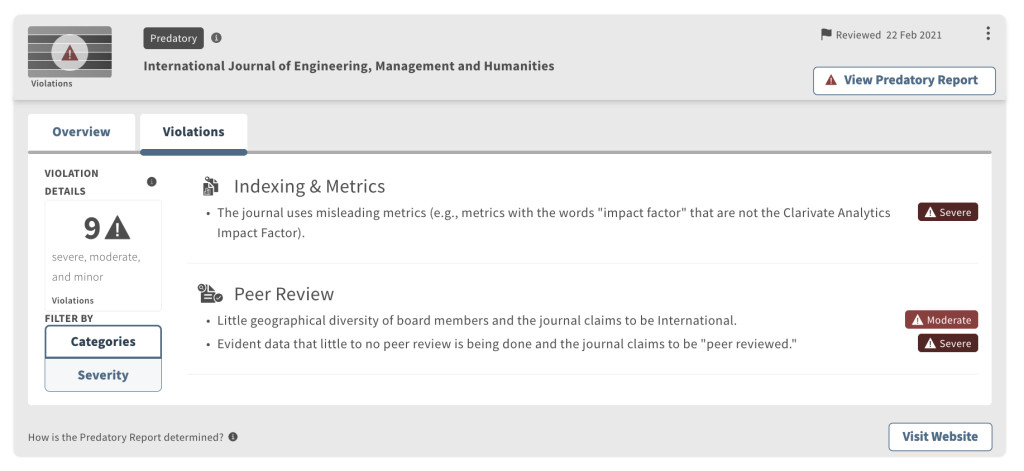
Next time, we will look at some more sophisticated examples of predatory journal communications. In the meantime, we’d like readers to send us their solicitations, which can be checked against our Predatory Reports database, to share in future posts so we can see the latest tactics that are being used (ironically, I get at least a couple of these a week from predatory publishers based on my publications on… predatory publishing. Oh, the irony!). Just forward any emails you have received to media@cabells.com, and we will do the rest.
