
As our journal investigation team members work their way around the expanding universe of scholarly publications, one of the more brazen and egregious predatory publishing scams they encounter is the hijacked, or cloned, journal.
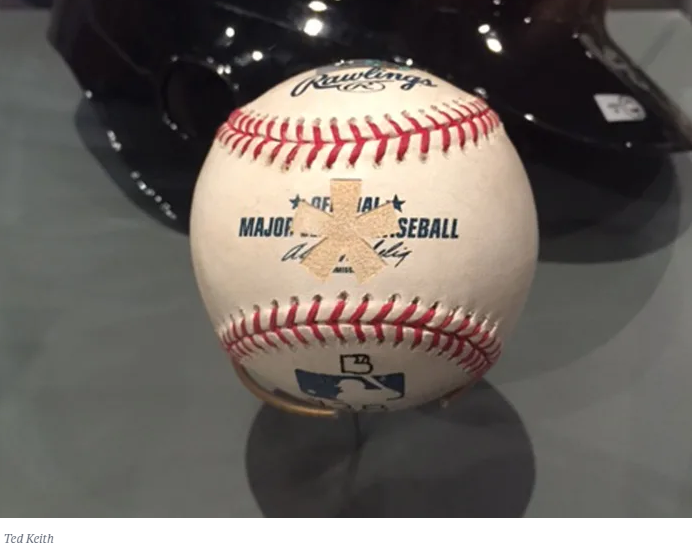
Rewriting the scholarly* record books
Are predatory journals to academic publishing what PEDs are to Major League Baseball?

Cabells becomes a member of United Nations SDG Publishers Compact
Cabells is proud to announce it has been accepted as a full member of the United Nations SDG Publishers Compact, becoming one of the first U.S. organizations and non-primary publishers globally to be awarded membership.

Cabells and scite partner to bring Smart Citations to Journalytics
Cabells, a provider of key intelligence on academic journals for research professionals, and scite, a platform for discovering and evaluating scientific articles, have partnered to bring scite’s Smart Citations to Cabells Journalytics publication summaries.

Cabells and Inera present free webinar: Flagging Predatory Journals to Fight “Citation Contamination”
Cabells and Inera are excited to co-sponsor the free on-demand webinar "Flagging Predatory Journals to Fight 'Citation Contamination'" now available to stream via SSP OnDemand. Originally designed as a sponsored session for the 2020 SSP Annual Meeting, this webinar is presented by Kathleen Berryman of Cabells and Liz Blake of Inera, with assistance from Bruce … Continue reading Cabells and Inera present free webinar: Flagging Predatory Journals to Fight “Citation Contamination”

Open with purpose
This week is Open Access Week, which you will not have missed due to the slew of Twitter activity, press releases and thought pieces being published – unless you are an author, perhaps. In this week’s blog, Simon Linacre focuses on academic researchers who can often be overlooked by the OA conversation, despite the fact they should be the focus of the discussion.

Empowering India’s Academia
According to some research, India has the unfortunate distinction of having both the highest number of predatory journals based there, and the highest number of authors publishing in them. In this week’s blog, Simon Linacre answers some of the questions researchers in that country have regarding authentic publishing practices. During the latter part of 2020, … Continue reading Empowering India’s Academia

The RAS Commission for Counteracting the Falsification of Scientific Research
Predatory publishing is undoubtedly a global phenomenon, but with unique characteristics in different countries. In this week’s blog, Simon Linacre shares insight from Russia and a group of researchers keen to shine the spotlight on breaches in publication ethics from within their own country.

They’re not doctors, but they play them on TV
Recently, while conducting investigations of suspected predatory journals, our team came across a lively candidate. At first, as is often the case, the journal in question seemed to look the part of a legitimate publication. However, after taking a closer look and reading through one of the journal's articles (“Structural and functional brain differences in … Continue reading They’re not doctors, but they play them on TV
The scientific predator has evolved – here’s how you can fight back
Today's post was written by Simon Linacre, Director of International Marketing and Development at Cabells, and Irfan Syed, Senior Writer and Editor at Editage Insights. How do you identify a predatory journal? Easy, look up your spam folder – say seasoned researchers. Actually, this ‘initial indicator’ is often the key to identifying a predatory journal. … Continue reading The scientific predator has evolved – here’s how you can fight back