
As we enter what is an uncertain 2021 for many both personally and professionally, it is worth perhaps taking the opportunity to reset and refocus on what matters most to us. In his latest blog post, Simon Linacre reflects on Cabells’ new video and how it endeavours to show what makes us tick.

What to know about ISSNs
There are many ways to skin a cat, and many ways to infer a journal could be predatory. In his latest blog post, Simon Linacre looks at the role the International Standard Serial Number, or ISSN, can play in the production of predatory journals.

Guest Post: A look at citation activity of predatory marketing journals
This week we are pleased to feature a guest post from Dr. Salim Moussa, Assistant Professor of Marketing at ISEAH at the University of Gafsa in Tunisia. Dr Moussa has recently published some research on the impact predatory journals have had on the discipline of marketing and, together with Cabells’ Simon Linacre, has some cautionary words for his fellow researchers in that area.

Open with purpose
This week is Open Access Week, which you will not have missed due to the slew of Twitter activity, press releases and thought pieces being published – unless you are an author, perhaps. In this week’s blog, Simon Linacre focuses on academic researchers who can often be overlooked by the OA conversation, despite the fact they should be the focus of the discussion.

The RAS Commission for Counteracting the Falsification of Scientific Research
Predatory publishing is undoubtedly a global phenomenon, but with unique characteristics in different countries. In this week’s blog, Simon Linacre shares insight from Russia and a group of researchers keen to shine the spotlight on breaches in publication ethics from within their own country.

A case study of how bad science spreads
Fake news has been the go-to criticism of the media for some politicians, which in turn has been rejected as propaganda and fear-mongering by journalists. However, as former journalist Simon Linacre argues, the fourth estate needs to have its own house is in order first, and ensure they are not tripped up by predatory journals. … Continue reading A case study of how bad science spreads
No time for rest
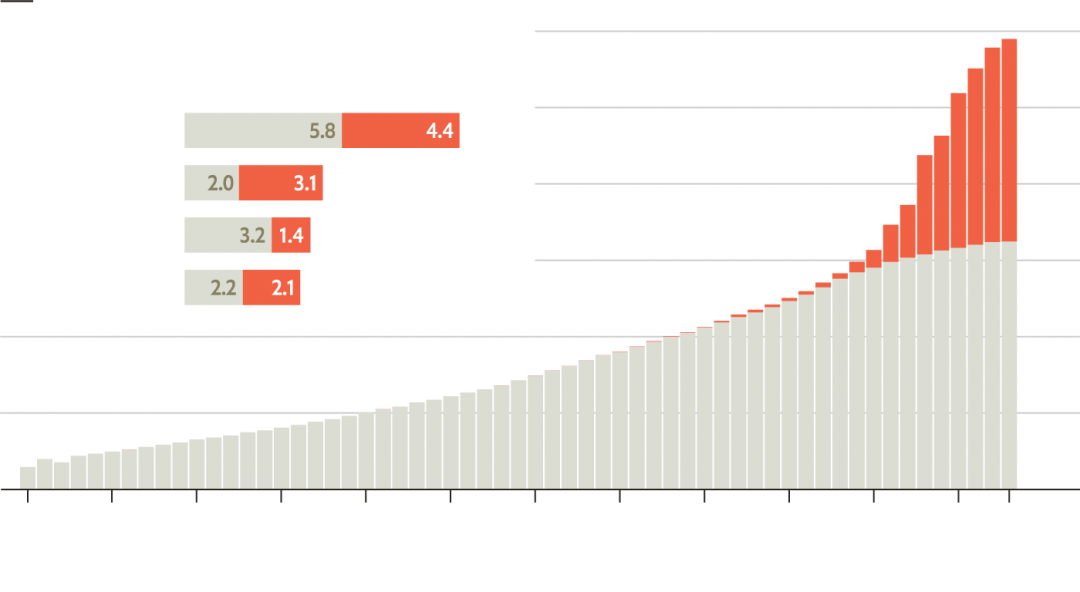
This week The Economist published an article on predatory publishing following collaboration with Cabells. Simon Linacre looks into the findings and points to how a focus on education can avert a disaster for Covid-19 and other important research. One of the consequences of the all-consuming global interest in the coronavirus pandemic is that it has … Continue reading No time for rest

Doing your homework…and then some
Researchers have always known the value of doing their homework – they are probably the best there is at leaving no stone unturned. But that has to apply to the work itself. Simon Linacre looks at the importance of ‘researching your research’ and using the right sources and resources. Depending on whether you are a … Continue reading Doing your homework…and then some

Unintended consequences: how will COVID-19 shape the future of research
What will happen to global research output during lockdowns as a result of the coronavirus? Simon Linacre looks at how the effect in different countries and disciplines could shape the future of research and scholarly publications. We all have a cabin fever story now after many countries have entered into varying states of lockdown. Mine … Continue reading Unintended consequences: how will COVID-19 shape the future of research

The future of research evaluation
Following last week’s guest post from Rick Anderson on the risks of predatory journals, we turn our attention this week to legitimate journals and the wider issue of evaluating scholars based on their publications. With this in mind, Simon Linacre recommends a broad-based approach with the goal of such activities permanently front and center. This … Continue reading The future of research evaluation