

The first indexes were found in books as early as the 16th Century, and the word itself comes from the Latin for ‘one who points out’ or an ‘indication’ - literally using the forefinger to draw attention to something. Inherent in this is the understanding that what is being pointed out is factual, whether it … Continue reading Trust is Index-linked

When Oxbridge Doesn’t Mean Oxbridge
For well over a century, the term ‘Oxbridge’ has been a useful abbreviation to indicate the two most prestigious universities in the UK. It has stood for the highest caliber of research, the brightest minds and absolute academic freedom. To be associated with Oxbridge is to have links with the very best that higher education … Continue reading When Oxbridge Doesn’t Mean Oxbridge

A Discussion with Professor Graham Kendall: Predatory Publishers, Ethics in Publishing, and More
In September 2024, Graham Kendall caused something of a stir when he ‘outed’ himself as the person behind @fake_journals, the popular Twitter/X account highlighting the problems caused by predatory journals. Cabells’ Simon Linacre – a research collaborator with Professor Kendall – asks him about his background and focus on publishing ethics, including why he chose … Continue reading A Discussion with Professor Graham Kendall: Predatory Publishers, Ethics in Publishing, and More
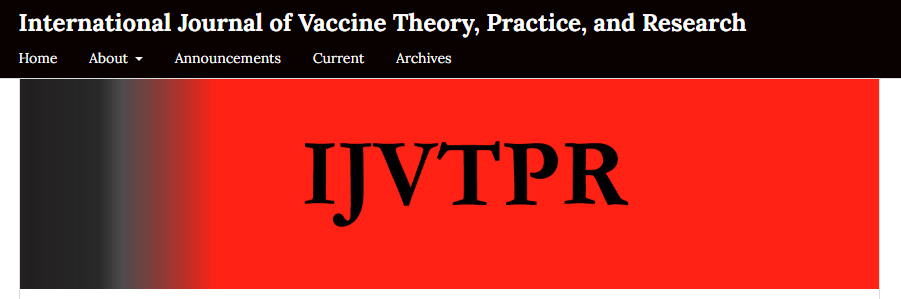
Understanding Predatory Journals: Spreading Misinformation and Disinformation
Since November of last year, our team has been contacted by the national public broadcasting networks of both Japan and Germany to provide information related to our work investigating and reporting on predatory journals. In both cases, the journalists were asking specifically about publications focused primarily not on generating profits, but rather on spreading misinformation … Continue reading Understanding Predatory Journals: Spreading Misinformation and Disinformation
Unmasking a Predator: predatoryreports.org
For some time now, Cabells has been aware of an organization, with no affiliation to Cabells whatsoever, operating under the name Predatory Reports and using the website domain “predatoryreports.org” – a clear infringement and brazen attempt to capitalize on our reputation and long-standing commitment to the research community. Despite the unethical and injurious hijacking of … Continue reading Unmasking a Predator: predatoryreports.org

The Predator Effect: Understanding the Past, Present and Future of Deceptive Academic Journals
During his time working at Cabells, predatory publishing practices turned into a near obsession for Simon Linacre - so much so, he wrote a book about it: The Predator Effect. Here he shares details of the book, and how predatory journals could form part of a publishing ethics crisis. In a recent conversation with a … Continue reading The Predator Effect: Understanding the Past, Present and Future of Deceptive Academic Journals

Update: A Journal Hijacking
Editor's Note: This is an updated version of an article originally posted in August, 2021. As members of our journal evaluation team work their way around the universe of academic and medical publications, one of the more brazen and egregious predatory publishing scams they encounter is the hijacked, or cloned, journal. One recent case of … Continue reading Update: A Journal Hijacking
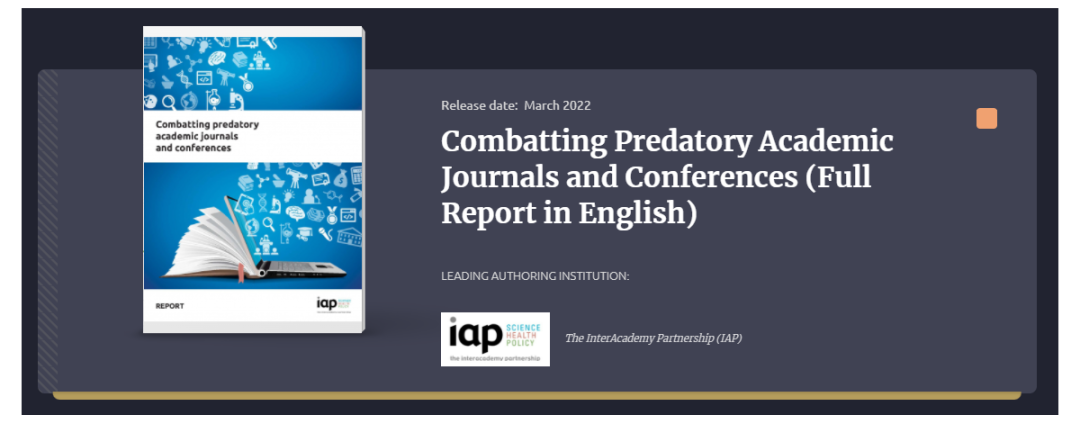
IAP Report Sets Out Plan of Action for Fighting Predatory Academic Practices
New IAP report is the culmination of a two-year study on recognizing and fighting predatory academic practices.

Academic Sleuthing
With plenty of advice and guidance on the internet on how to identify and avoid predatory journals, many argue the game is up. However, while so many authors and journals slip through the net, numerous skills are required to avoid the pitfalls, not the least of which is, as one case study shows, being an amateur sleuth….

Mountain to climb
As the return to university beckons for many of us, we are unfortunately reminded that many of the challenges facing scholarly communications persist. Simon Linacre assesses wider issues impacting on publication ethics as Cabells’ Predatory Reports database hits the 15,000 journal mark.